
Best overall: a midsize SUV for passenger-focused site visits. Best for bulky equipment: a double-cab pickup. Best for paved access and tight parking: a compact crossover. Best for assessed rough access: a four-wheel-drive SUV. This 2026 guide helps you choose by road conditions, passengers and equipment—not appearance.
- The best pickup trucks and SUVs for site inspections Luzon teams choose must match the actual access road.
- Choose a midsize SUV for passengers, a double-cab pickup for bulky equipment, and a compact crossover for paved access.
- VPI Cars supports Luzon site visits through self-drive, with-driver and corporate car rental services.
- Confirm the exact vehicle, permitted route and equipment arrangements before accepting a quotation.
Why this matters
A site inspection combines two different journeys: the drive to the property and the approach inside it. A comfortable expressway trip does not prove that the vehicle suits a rutted entrance, steep ramp or unfinished parking area.
VPI Cars is best for teams seeking self-drive, with-driver or corporate car rental for Metro Manila and Luzon site visits. Start with the available car rental services, then describe your route and load before requesting a vehicle category. The categories below are selection guidance, not a statement of the company's fleet or permission to drive off-road.
What makes the best site-inspection vehicle?
Use these criteria for your 2026 shortlist before comparing badges or equipment lists:
- Access suitability: Describe the final approach, including surface, slope, narrow gates and turning space.
- Passenger fit: Count everyone travelling, including the driver, and check usable seating with the equipment loaded.
- Equipment separation: Decide whether tools need a separate load bed or enclosed cabin storage.
- Manoeuvrability: Check parking, loading areas and the space needed to turn around at the site.
- Rental suitability: Confirm that the exact itinerary, surface conditions and intended use fit the rental agreement.
Do not select four-wheel drive merely because the destination is outside Metro Manila. The relevant question is what the vehicle must encounter along the actual route.
Pickup trucks and SUVs at a glance
| Rank and vehicle category | Best for | Standout feature | Key limitation |
|---|---|---|---|
| 1. Midsize SUV | Passenger-focused inspection days | Enclosed space for people and clean equipment | Passenger seating and luggage share interior space |
| 2. Double-cab pickup | Bulky or dirty inspection equipment | Separate passenger cabin and load bed | Cargo needs secure restraint and suitable weather protection |
| 3. Compact crossover | Paved sites with constrained parking | Smaller vehicle footprint | Not a substitute for a vehicle assessed for rough access |
| 4. Four-wheel-drive SUV | Assessed unpaved approaches | Driven wheels can assist traction on suitable surfaces | Four-wheel drive does not establish safe access or rental permission |
These categories overlap: a midsize SUV can also have four-wheel drive. The ranking separates the main reason to choose each option rather than treating body style as a complete technical specification.
1. Midsize SUV: best for passenger-focused site inspections
A midsize SUV is the default starting point when your inspection centres on people rather than bulky cargo. Its enclosed cabin keeps passengers, documents and suitably secured clean equipment within the same vehicle.
For example, a planning brief for 4 people and 2 equipment cases should specify whether the passenger count includes the driver. These are sample requirements, not a seating or luggage-capacity claim for any particular SUV.
Midsize SUV pros:
- Enclosed storage suits documents and weather-sensitive equipment.
- A shared cabin keeps the inspection team together between stops.
- The category suits a shortlist covering meetings and site visits on the same itinerary.
Midsize SUV cons:
- Using additional seating reduces the space remaining for equipment.
- Dirty or sharp equipment requires appropriate containment and secure loading.
- Body size alone does not establish clearance, traction or access suitability.
Best for: Engineers, project managers and client representatives travelling with manageable, clean equipment.
For a 2026 booking, ask for confirmation of the actual seating and luggage arrangement rather than relying on a category photograph. Verdict: Choose a midsize SUV as the passenger-first default, subject to route and load checks.
2. Double-cab pickup: best for bulky inspection equipment
A double-cab pickup separates the passenger cabin from the load bed. That layout deserves consideration when your inspection involves equipment that is awkward, dirty or unsuitable for carrying beside passengers.
The load bed is not automatically secure or weatherproof. Describe each item, its dimensions and its handling needs before treating a pickup as the answer.
Double-cab pickup pros:
- A separate load area keeps suitable equipment outside the passenger cabin.
- The load-bed layout accommodates cargo arrangements that differ from enclosed luggage compartments.
- The category makes passenger and equipment requirements easier to assess separately.
Double-cab pickup cons:
- Exposed cargo needs suitable weather protection.
- Equipment needs proper restraint and security arrangements.
- A large exterior does not guarantee comfortable seating for your whole team.
Best for: Inspection teams whose equipment requirements justify a separate load bed.
Do not leave valuable instruments loose in the bed or assume a cover is included. Confirm the actual load arrangement and permitted cargo. Verdict: Choose a double-cab pickup for a defined equipment need, not simply for a construction-site appearance.
3. Compact crossover: best for paved access and tight parking
A compact crossover belongs on the shortlist when the inspection is at an accessible building, completed development or facility with paved internal roads. A smaller vehicle footprint is relevant where parking bays, ramps and turning areas are constrained.
This is a route-led choice. A destination described as a “site” does not automatically require a large SUV or pickup.
Compact crossover pros:
- A smaller footprint helps when assessing restricted parking and turning space.
- Enclosed storage suits a modest amount of clean inspection equipment.
- The category fits passenger trips that do not require a separate load bed.
Compact crossover cons:
- Bulky cases compete with passenger space.
- Paved-road suitability does not establish suitability for unfinished approaches.
- The exact vehicle still needs checking against ramps and surface changes.
Best for: Small teams visiting completed properties and facilities with confirmed paved access.
For a 2026 inspection programme, separate paved facility visits from unfinished-site visits before requesting quotations. Verdict: Choose a compact crossover when confirmed access and a modest load make a larger vehicle unnecessary.
4. Four-wheel-drive SUV: best for assessed rough access
A four-wheel-drive SUV deserves consideration when the site contact identifies an unpaved approach that requires further vehicle assessment. Four-wheel drive can assist traction on suitable surfaces; it does not remove risks from deep ruts, unstable ground or water crossings.
Confirm the exact drivetrain rather than assuming every SUV has four-wheel drive. Vehicle capability and permission under the rental agreement are separate checks.
Four-wheel-drive SUV pros:
- Driven wheels can help maintain traction in appropriate conditions.
- Enclosed space accommodates passengers and suitably secured equipment.
- The category gives the provider a specific starting point for discussing difficult access.
Four-wheel-drive SUV cons:
- Four-wheel drive does not establish safe braking or sufficient clearance.
- Technical capability does not override rental restrictions.
- Some access conditions call for stopping before the difficult section, not choosing a different rental.
Best for: Teams with a clearly described unpaved approach requiring vehicle and provider assessment.
Ask the site manager for current access information before requesting this category. Verdict: Hold the final choice until both the access conditions and intended use are confirmed.
How the categories are ranked
The ranking puts passenger fit first, then distinguishes equipment-heavy trips, constrained paved access and assessed rough approaches. It follows the criteria above: access, passengers, equipment separation, manoeuvrability and rental suitability.
No category wins every inspection. A pickup solves a different problem from a compact crossover, while four-wheel drive addresses traction rather than passenger numbers or cargo security. This is a use-case ranking, not a road test or a comparison of individual models.
Check the final approach before choosing the vehicle
Ask your site contact for recent photographs or video of the entrance and internal access road. Request a description of any changes after rain, delivery traffic or ongoing works; a map pin alone does not show the condition of the approach.
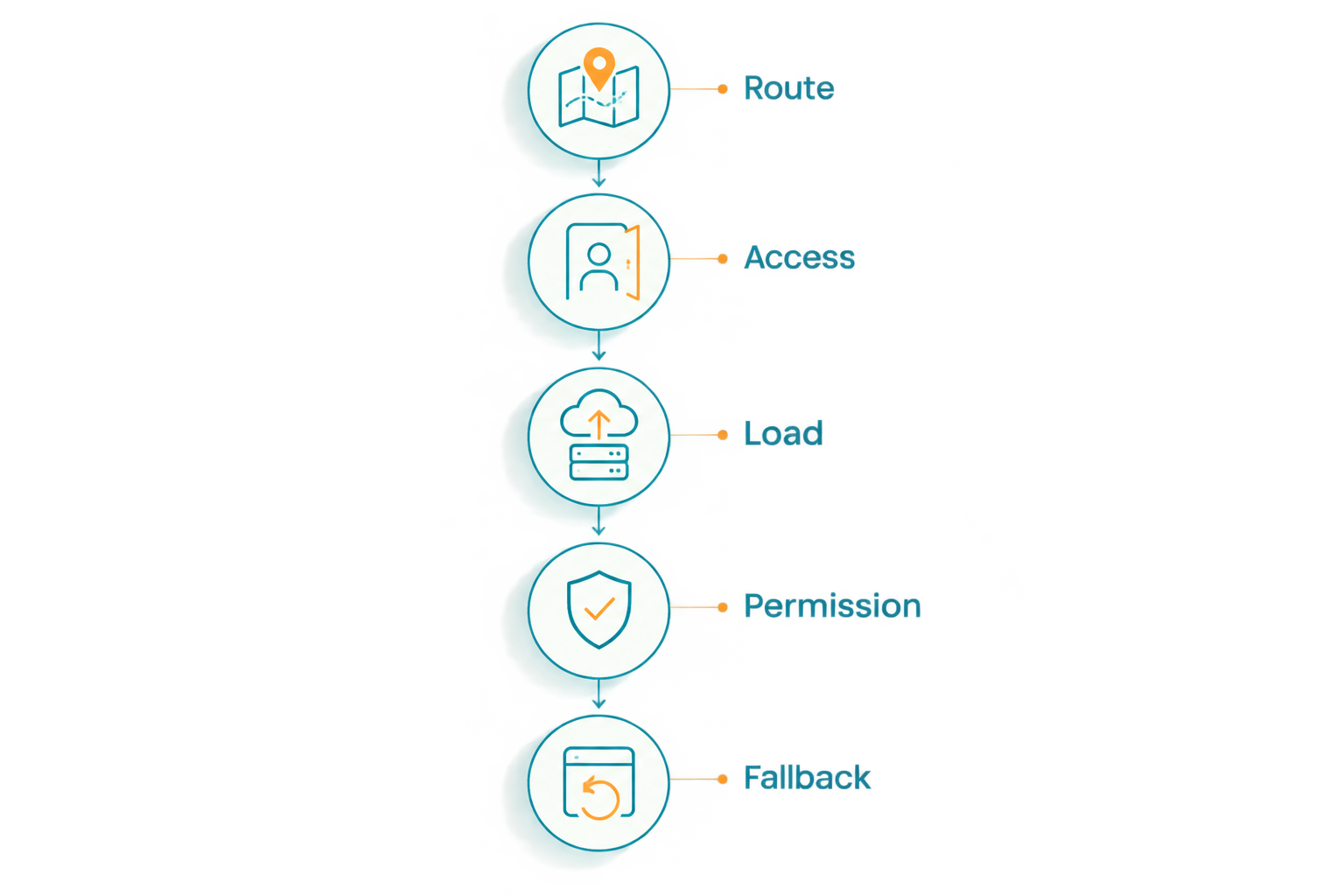
Use this sequence before accepting a 2026 quotation:
- Route: Share the pickup point, destinations and return plan.
- Access: Identify paved sections, unfinished surfaces, slopes and narrow entrances.
- Load: List passengers and equipment, including dimensions where relevant.
- Permission: Confirm that the vehicle and rental terms fit the intended use.
- Fallback: Agree where the vehicle can stop if access is unsuitable.
For difficult approaches, recovery equipment belongs within a wider safety assessment, not a justification for entering unsuitable ground. Equipment does not replace training, appropriate recovery points, provider permission or a safe decision to stop.
Do not ask an assigned driver to improvise an off-road recovery. If the approach is unsafe or outside the agreed use, stop at a suitable location and coordinate the next step with the site contact and rental provider.
Choose the driving arrangement separately
The vehicle category answers what carries your team. The driving arrangement answers who handles the journey. Keep those decisions separate when comparing proposals.
| Arrangement | Best for | Advantage | Consideration |
|---|---|---|---|
| With-driver rental | Teams focused on meetings and inspections | Someone else handles the driving | Share stops, waiting periods and access details before confirmation |
| Self-drive rental | Renters who want to drive the itinerary themselves | Direct control of driving and stops within agreed terms | The authorised renter must meet requirements and follow permitted-use conditions |
| Corporate or long-term rental | Recurring inspection schedules | A service category suited to ongoing transport requirements | Define frequency, duration and changing passenger or route needs |
VPI Cars offers all three service categories for car rental. For Luzon assignments beyond Metro Manila, submit the actual itinerary rather than assuming an out-of-town trip needs a different provider.
A with-driver arrangement does not mean every surface is permitted. A self-drive arrangement does not remove the need to confirm the route and intended use.
Send a quotation brief that prevents mismatches
A useful request describes the workday, not just “SUV needed.” Give VPI Cars enough detail to assess the transport requirement without guessing at passengers, equipment or access.
Include:
- Travel date, pickup address and required arrival time.
- Every destination and the planned order of visits.
- Passenger count, stating whether it excludes the assigned driver.
- Equipment list, dimensions and any special handling needs.
- Current access information and a site contact.
- Expected finishing time and return destination.
- Preferred driving arrangement and any recurring schedule.
For example, 3 site stops over 1 day describes the itinerary structure, but it does not establish the necessary service duration. Add expected inspection time and travel requirements rather than asking the provider to infer them.
Ask the quotation to identify the proposed vehicle or category, inclusions, exclusions and applicable conditions. Then contact VPI Cars with the brief and resolve any differences before confirming.
Which vehicle should you choose?
Choose a midsize SUV unless your load or access assessment gives you a clear reason to choose something else. Move to a double-cab pickup for suitable bulky equipment, a compact crossover for confirmed paved access with limited parking, or an assessed four-wheel-drive SUV for a specific traction requirement.
Do not upgrade by appearance. Match the vehicle to the job, and keep the final selection conditional on the actual vehicle, current access and agreed rental use.
FAQ
What’s the best vehicle for a Luzon site inspection?
A midsize SUV is the default shortlist choice for passenger-focused inspections with manageable equipment. A pickup, compact crossover or four-wheel-drive SUV fits different load and access requirements.
Is a pickup better than an SUV for construction visits?
A pickup is better suited when your equipment needs a separate load bed. An SUV is the clearer starting point when enclosed passenger and equipment space matters more.
Do I need four-wheel drive for provincial site visits?
Provincial travel alone does not establish a need for four-wheel drive. Assess the actual approach, surface conditions and permitted rental use before choosing the drivetrain.
Can I book VPI Cars for site inspections outside Metro Manila?
Yes. VPI Cars supports out-of-town Luzon travel through its car rental services; submit your destinations, dates, passenger count and vehicle requirements for an individual quotation.
Should our inspection team choose self-drive or a driver?
Choose with-driver rental when the team wants someone else to handle driving, or self-drive when an eligible renter wants to drive. Confirm the itinerary and permitted use under either arrangement.
Does an SUV booking allow travel on unfinished site roads?
An SUV booking does not by itself establish permission for unfinished roads. Describe the surface and intended use, then confirm suitability with the rental provider before entering.
What should I send when requesting a site-visit quotation?
Send the date, pickup point, full itinerary, passenger count, equipment details and access conditions. Include your expected finishing time, return destination and preferred driving arrangement.
One last thing
Ask where the vehicle will turn around before asking whether it can reach the site. A passable entrance is only part of the access plan; your team also needs a suitable stopping point and a safe way out.
Related guides
- Car rental for construction site visits
- Car rental for tech-company site visits
- Planning a Luzon road trip and self-drive booking